Learn About asphalt paving
Learn About asphalt paving
Blog Article
Dependable Asphalt Installation Contractor for Robust Driveways and Roads
Appointing a reliable surfacing expert is vital for creating resilient driveways and roads. Careful deliberation secures longevity and excellence in paving projects. Variables such as certifications, user reviews, and technical competence play a major role in the final output. Mastering the intricacies of expenses and subsequent maintenance can substantially elevate the decision framework. When building owners examine their alternatives, important core elements demand rigorous assessment to secure a successful investment. What considerations should they center on during their inquiry?
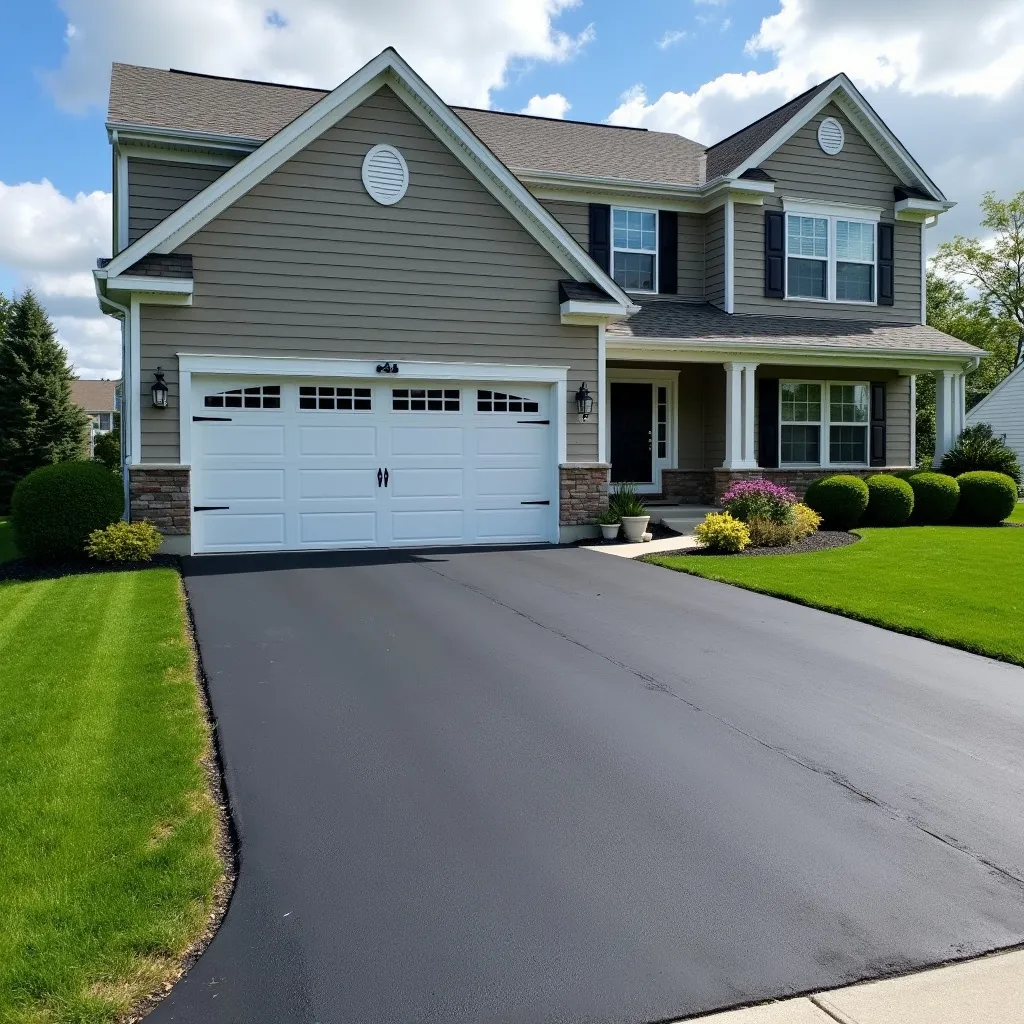
Guide to Selecting an Experienced Paving Contractor
When selecting an experienced paving contractor, one might wonder what critical elements to evaluate. First, it is crucial to examine the contractor's certifications, including licenses and protection, to ensure adherence with local ordinances and defense against obligations. Next, assessing client feedback and past project portfolios can provide perspective into the contractor's quality of work and trustworthiness.
Furthermore, securing multiple bids can assist in measuring the market rate for services and identifying any concerns, such as unusually low bids. Skill in specific paving types, including residential driveways or commercial parking lots, is an key consideration, since expertise often produces better results. Effective communication remain critical; a contractor should be quick to reply and open to resolving any questions or concerns. Lastly, examining warranties offered can reflect the contractor’s confidence in their work and dedication to customer satisfaction.
Optimal Materials for Your Driveway
When choosing options for a driveway, homeowners often consider the advantages and disadvantages of asphalt and concrete. Each option presents unique characteristics that can affect durability and cost. Additionally, gravel offers a more budget-friendly alternative but comes with its own set of advantages and disadvantages.
Asphalt versus Concrete Selections
Which material offers the optimal equilibrium of durability and cost for driveway surfaces: asphalt or concrete? Asphalt is often preferred for its lower upfront price and quicker installation. It generally provides a smooth surface that can withstand harsh environmental circumstances, making it a practical choice for many homeowners. Nevertheless, asphalt demands consistent upkeep, including sealing work and resurfacing, to prolong its life expectancy.
Conversely, concrete is known for its longevity and reduced care needs. With correct setup, concrete driveways can last over 30 years. Moreover, concrete provides a range of visual options, including ornate surfaces. While the starting cost is higher, the lower maintenance demands can make it a budget-friendly option over time. Ultimately, the selection depends on individual preferences and budget.
Gravel Positive Aspects and Detriments
Although asphalt and concrete remain favored selections for driveways, gravel also offers a viable alternative with its distinct benefits and drawbacks. A key advantage of gravel is its economic benefit; it typically entails a reduced initial investment relative to asphalt and detailed guide concrete. Moreover, gravel provides excellent drainage, decreasing the possibility of water pooling. Nevertheless, it comes with its own difficulties. Gravel driveways often need maintenance, including periodic replenishment and raking to keep the surface flat. In addition, they may cause problems with erosion and can be less secure in high-traffic zones. Ultimately, the decision to use gravel should weigh both its budget-friendliness and the homeowner’s readiness to commit to constant upkeep.
Reviewing Customer Reviews: What to Evaluate
What methods can potential clients use to discern the worth of a paving contractor through customer reviews? Evaluating these reviews requires consideration to specific factors. First, clients should look for overall ratings; a high average score often indicates satisfactory service. Next, the number of reviews is vital; a larger body of feedback provides a more reliable picture of the contractor's performance.
Clients should also investigate the details of individual feedback. Positive input about timeliness, communication, and work quality is fundamental. Additionally, consistent patterns in negative reviews, such as lacking customer service or project delays, can point to potential issues.
Additionally, responses from the contractor to reviews reveal their expertise and commitment to customer satisfaction. Ultimately, evaluate reviews from multiple platforms to obtain a well-rounded viewpoint. By focusing on these aspects, prospective clients can make informed decisions concerning their paving contractor.
Important Questions to Present to Your Paving Contractor
When selecting a paving contractor, posing the right inquiries can substantially impact the project's result. It is crucial to investigate the contractor's experience level and the categories of projects they have undertaken. Grasping their strategy regarding materials and techniques can also offer understanding of the quality of work to anticipate.
Prospective clients should ask about insurance and licensing to ensure the contractor satisfies legal requirements and is protected against potential liabilities. Additionally, discussing the timeline for project completion and any potential delays is crucial.
Questioning about guarantees on both materials and workmanship can protect the investment. Finally, it's beneficial to seek recommendations or examples of previous projects to determine the professional's trustworthiness and craftsmanship. These discussions not only clarify parameters but also build a groundwork for effective interaction throughout the engagement.
Paving Rates: What to Plan For
Understanding driveway expenses is vital for residents thinking about a project. Several factors, encompassing selection of materials and pricing, greatly influence the overall expense. In addition, evaluating lasting worth can support in making informed decisions about paving investments.
Key Drivers of Pavement Expenses
Several elements influence paving expenses, making it critical for property owners to grasp the variables at play. One significant aspect is the size of the area to be paved; larger spaces typically incur higher costs due to increased material and labor requirements. Additionally, site conditions, such as soil quality and drainage, can affect pricing, as extensive preparation may be needed. Local labor rates also play an important role; areas with a higher cost of living often have elevated labor expenses. Moreover, the complexity of the project, including intricate designs or existing structures, can lead to added costs. Finally, seasonal factors may influence pricing, as contractors often adjust rates based on demand fluctuations throughout the year.
Material Choices and Pricing
A variety of material selections greatly impact the cost of paving, each delivering specific advantages and assorted price ranges. Asphalt, known for its affordability and speedy installation, typically ranges from $3 to $5 per square foot. Concrete, although more resilient, can cost between $4 and $8 per square foot, depending on finish and thickness. Pavers, fashioned from brick or stone, offer aesthetic charm but generally range from $10 to $20 per square foot, including installation. In addition, water-absorbent paving systems, which enable drainage, tend to cost more due to their cutting-edge materials and installation techniques. Homeowners must assess these options carefully, comparing initial expenditures with expected durability and functionality for their driveways and roads.
How Guarantees and Ongoing Support Matter
In picking a dependable paving company, the importance of warranties and aftercare services should not be dismissed. Warranties function as a shield for customers, ensuring that any problems in materials or workmanship are remedied at no extra charge. A respected contractor usually extends an extensive warranty that shows their confidence in the caliber of their work.
Supplementing warranties, aftercare assistance play an critical role in maintaining the longevity of paved surfaces. Periodic maintenance, such as sealing and crack repairs, can mitigate more extensive damage and costly repairs down the line. A contractor that extends ongoing support reflects a devotion to customer satisfaction and the endurance of their work.
Thus, warranties and aftercare services not only enhance the worth of the original purchase but also offer reassurance for homeowners and businesses alike. A reliable contractor prioritizes these aspects, fostering confidence and lasting connections with customers.
Frequently Asked Questions
How long Does the Paving Process Typically Take?
The paving process typically takes one to three days, based on the project's size and complexity. Elements like climatic conditions, ground readiness, and choice of materials can also affect the overall timeline significantly.
What Weather Factors Affect Paving Work?
Weather factors greatly influence paving work. Rain, snow, and extreme temperatures can delay projects, while humidity levels impact the curing process. Ideal conditions, typically dry and mild, guarantee better adhesion and durability of the pavement.
What's the Best Way to Care for My New Driveway?
A new driveway requires regular cleaning, sealing every few years, and addressing cracks promptly to remain in optimal shape. Avoiding heavy loads and employing proper snow clearing methods are important for prolonging its lifespan and preserving its appearance.
Do eco-friendly paving options exist?
Certainly, numerous sustainable surfacing options are on the market, including porous paving stones, recycled asphalt, and concrete substitutes created from sustainable materials. These selections aid in reducing ecological damage while offering durable and functional surfaces for parking areas and walkways.
Do I Need a Permit for Pavement Projects?
Frequently permits are required for paving projects, following local regulations. Homeowners should consult their municipal planning department to determine detailed specifications, ensuring adherence and avoiding potential fines or project delays during project execution.
Report this page